
About Course
Course Overview
This comprehensive course is designed to strengthen the communication, interpersonal, and professional skills of healthcare practitioners, including physicians, nurses, and clinical pharmacists, to enhance patient safety, care quality, and clinical effectiveness. Through 14 structured sessions, participants will develop the competencies needed to communicate confidently, collaborate effectively, and build meaningful therapeutic relationships with patients, families, and healthcare teams.
The curriculum explores the role of Emotional Intelligence (EI) in healthcare practice, emphasizing self-awareness, empathy, resilience, and professional judgment. It introduces internationally recognized communication frameworks, including the SPIKES protocol for delivering difficult news, the SBAR/ISBAR models for structured clinical communication and handovers, and Motivational Interviewing (MI) techniques using the OARS approach to support patient engagement and behavior change. The course also addresses cultural, linguistic, and organizational barriers to effective communication, highlights strategies for reducing communication-related errors, and promotes multidisciplinary collaboration. Special attention is given to family-centered communication and decision-making in complex and high-acuity environments such as Intensive Care Units (ICUs), where clear, compassionate, and coordinated communication is critical to patient outcomes.”
Training needs
The course treat the missunderstanding of effective implementation of soft skills in healthcare environments:
1.lack of knowledge about Theory of Planned Behavior
2.limited access about Doctor-Patient Relationship and Legal Responsibilities in Healthcare
Smart Objectives
1.Describe the Theory of Planned Behavior
2. Explore the Doctor-Patient Relationship and Legal Responsibilities in Healthcare
3.Discuss the Duty of Care and the Reasonable Person Standard in Physician Responsibility
4.Demonstrate effective communication as a vital soft skill required to deliver high-quality, patient-centered care.
5.Discuss the critical systemic and cultural barriers that hinder the effective implementation of soft skills in healthcare environments”
Outcomes
1.Identify source, disease and its transmission.
2.List patient’s rights and responsibilities.
3.Differentiate between patient’s confidentiality and privacy.
4.Illustrate an example about the Theory of Planned Behavior
5.List ethics of medical ethics
Course Content
Medical Malpractice
-
Understanding Medical Malpractice: Exploring the Doctor-Patient Relationship and Legal Responsibilities in Healthcare.
15:00 -
Understanding Medical Malpractice
-
Medical Malpractice: Understanding the Duty of Care and the Reasonable Person Standard in Physician Responsibility
14:00 -
Medical Malpractice Quiz
Effective Communication
Barriers and Soft Skills in Healthcare Settings
Impact on Patient Safety and Satisfaction and Soft Skills in Healthcare Settings
Emotional intelligence and medical professionalism
Section 6
Post Test & Activity Evaluation
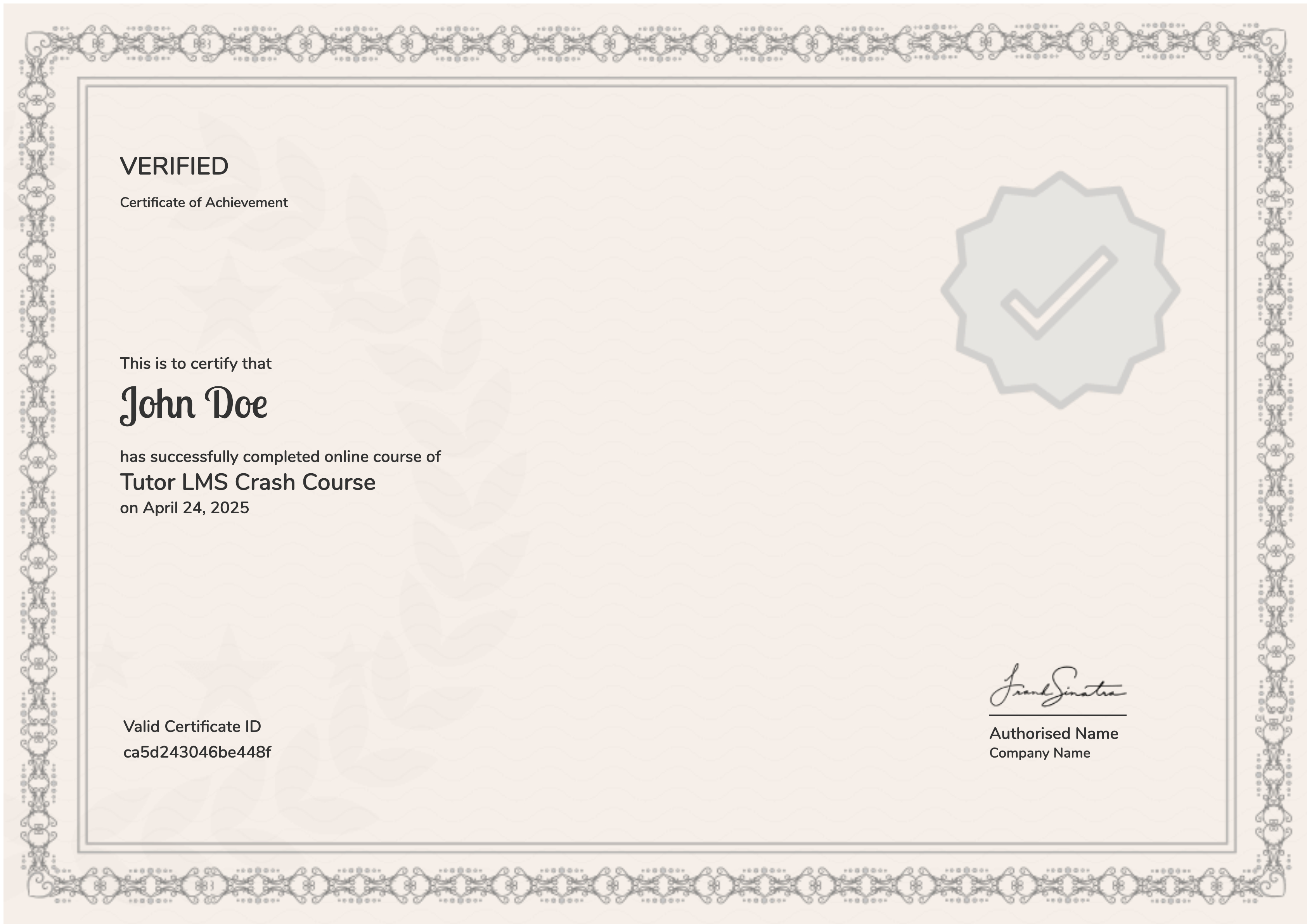
Earn a certificate
Add this certificate to your resume to demonstrate your skills & increase your chances of getting noticed.
Student Ratings & Reviews

No Review Yet