About Course
Course Overview
The Advanced Patient Stabilization for Non-ICU Teams course is designed to enhance the knowledge, clinical judgment, communication skills, and teamwork capabilities of healthcare professionals working outside intensive care units (ICUs), particularly those responsible for caring for critically ill or deteriorating patients before transfer to higher levels of care.
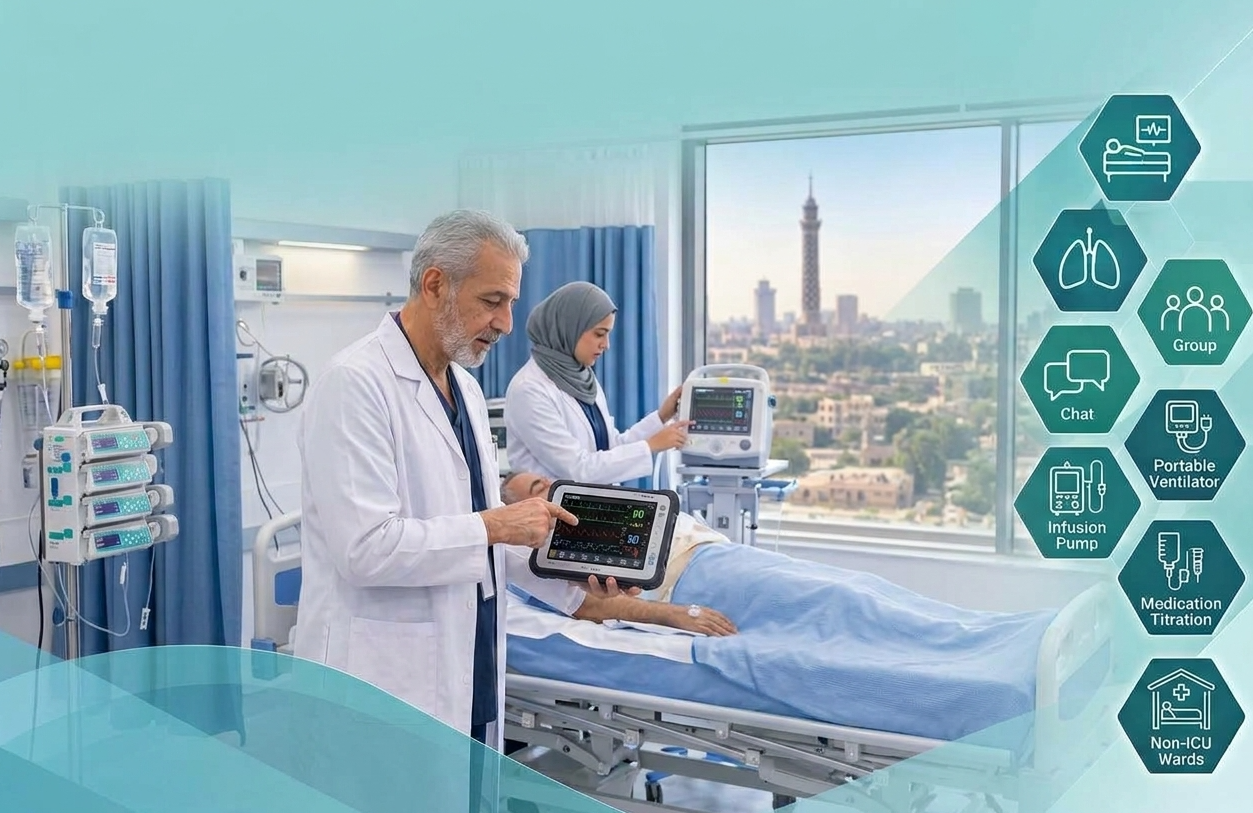
The course addresses essential aspects of safe patient stabilization, including effective clinical communication, accurate documentation, structured handover, ICU safety culture, leadership, teamwork, and Crisis Resource Management (CRM). It also explores the evolving role of digital critical care, remote patient monitoring, intelligent ICU systems, and the electronic ICU (eICU®) care model in supporting timely clinical decisions and improving coordination between bedside teams and critical care specialists.
Additional modules focus on patient-centered care in the digital age, patient privacy and confidentiality, communication practices, and equitable access to emergency medical care. These topics emphasize the importance of protecting patient rights, maintaining professional accountability, and ensuring continuity of care across different healthcare settings.
Through evidence-informed educational content, practical clinical scenarios, and multidisciplinary learning, participants will develop the competencies needed to recognize clinical deterioration, communicate urgent concerns, coordinate emergency responses, and support safe transitions of care.
The overall aim is to strengthen the preparedness of non-ICU teams, improve collaboration with critical care services, reduce preventable delays in escalation, and promote a culture of patient safety and continuous improvement.
Training needs
Patients may experience acute clinical deterioration in general wards, emergency departments, outpatient settings, and other areas outside the ICU. Healthcare professionals working in these environments must recognize early warning signs, initiate appropriate stabilization measures within their scope of practice, communicate effectively, and arrange timely escalation to critical care services.
Several potential knowledge and performance gaps may affect the quality and safety of this process. These include inconsistent handover practices, communication failures during emergencies, limited familiarity with crisis resource management principles, and insufficient understanding of how digital monitoring and eICU services can support bedside teams.
The course addresses the following identified educational needs:
Clinical communication and continuity of care
– Improve structured communication during clinical deterioration, emergency escalation, and patient transfer.
– Strengthen documentation of assessments, interventions, patient responses, and escalation decisions.
– Reduce information loss during handover between non-ICU teams and critical care services.
Patient safety and crisis management
– Improve understanding of ICU safety culture, incident reporting, and continuous quality improvement.
– Strengthen leadership, situational awareness, role allocation, and teamwork during emergencies.
– Enhance the ability to recognize communication breakdowns and other human-factor risks.
Digital critical care and remote monitoring
– Improve understanding of remote monitoring technologies and intelligent critical care systems.
– Clarify the responsibilities of bedside staff when working with eICU teams.
– Strengthen awareness of digital patient safety risks, information governance, privacy, and confidentiality.
Patient-centered and ethical care
– Promote respectful communication, patient involvement, and appropriate consideration of individual needs.
– Improve understanding of confidentiality requirements and secure handling of patient information.
– Reinforce awareness of equitable and timely access to emergency medical care.
These educational priorities provide the basis for improving participants’ competence in patient stabilization support, escalation of care, multidisciplinary collaboration, and safe clinical practice.”
Outcomes
Upon successful completion of the course, participants will be able to:
A. Knowledge Outcomes
1. Explain the principles of effective communication, clinical documentation, and structured handover.
2. Describe the components of a strong patient safety culture and continuous improvement processes.
3. Explain the principles of leadership, teamwork, and Crisis Resource Management in critical care situations.
4. Describe the functions and limitations of digital critical care systems, remote monitoring, and eICU services.
5. Explain the responsibilities of non-ICU healthcare professionals within an eICU-supported care model.
6. Identify essential principles of patient privacy, confidentiality, and responsible digital information handling.
7. Describe the importance of patient-centered care and equitable access to emergency medical services.
B. Skills Outcomes
1. Communicate changes in a patient’s clinical condition clearly and promptly using structured handover methods.
2. Document clinical assessments, interventions, and escalation decisions accurately.
3. Apply teamwork and closed-loop communication principles in simulated emergency scenarios.
4. Identify opportunities for escalation and collaboration with critical care teams.
5. Interpret the role of remote monitoring alerts and communicate relevant findings to the responsible clinical team.
6. Apply confidentiality principles when accessing, discussing, documenting, or transmitting patient information.
7. Identify potential safety risks and recommend practical improvement measures.
C. Performance Outcomes
Following participation, healthcare professionals are expected to demonstrate improved ability to:
– Recognize and communicate clinical deterioration promptly.
– Support timely escalation and appropriate transfer of patients requiring critical care.
– Improve the completeness and consistency of clinical handovers.
– Coordinate effectively with multidisciplinary teams and eICU services.
– Reduce preventable communication failures and information loss during transitions of care.
– Protect patient privacy while using digital healthcare technologies.
– Participate in incident reporting, reflective practice, and continuous quality improvement.”
Smart Goals
By the end of the course, participating healthcare professionals will be able to:
1. Improve clinical communication: Achieve at least a 20% improvement between pre-course and post-course assessment scores related to structured handover, documentation, and escalation of care.
2. Strengthen crisis resource management: Correctly identify and apply key CRM principles, including situational awareness, leadership, role allocation, and closed-loop communication, with at least 80% accuracy in case-based assessments.
3. Enhance patient safety: Identify at least three potential patient safety risks associated with communication failures, inadequate handover, or delayed escalation and propose appropriate mitigation strategies.
4. Improve digital critical care readiness: Demonstrate understanding of the roles and responsibilities of bedside teams when using remote monitoring and eICU support, achieving at least 80% in relevant knowledge assessments.
5. Promote confidentiality and patient-centered care: Correctly identify appropriate actions in clinical scenarios involving patient privacy, confidentiality, digital information security, and patient involvement in care.
6. Support practice improvement: Within three months of course completion, identify at least one opportunity to improve communication, handover, escalation, or patient safety processes in the participant’s clinical setting.”
Course Content
Module 8
-
Module 8- Communication, Documentation, and Handover
25:34 -
Module 8: Communication, Documentation, and Handover – Assessment Quiz
Module 9
Module 10
Module 11
Module 12
Patient Centric Care
Post Test & Activity Evaluation
Earn a certificate
Add this certificate to your resume to demonstrate your skills & increase your chances of getting noticed.

Student Ratings & Reviews

No Review Yet
